How to Use Binance on the Blockchain? A Step-by-Step Guide for Beginners

Binance, as one of the world’s largest cryptocurrency exchanges, has evolved far beyond a simple trading platform. With the rise of decentralized finance, many users are now asking how to use Binance’s “on-chain” features. While the standard Binance.com platform is centralized, the exchange operates its own blockchain—**Binance Chain** and **Binance Smart Chain (BSC)**—alongside a non-custodial wallet called Trust Wallet. This article breaks down how to interact with Binance’s on-chain ecosystem, from trading to transferring assets.
**Understanding the Difference: Off-Chain vs. On-Chain**
First, it is crucial to know that a typical Binance account is off-chain. Your funds are held by the exchange. However, when you move your crypto out of Binance to a private wallet (like MetaMask or Trust Wallet), you are performing an on-chain transaction. This means the transaction is recorded on the blockchain. To use Binance in a truly on-chain manner, you primarily use the Binance Smart Chain (BSC), which is compatible with Ethereum tools and offers low fees.
**Step 1: Setting Up a Non-Custodial Wallet**
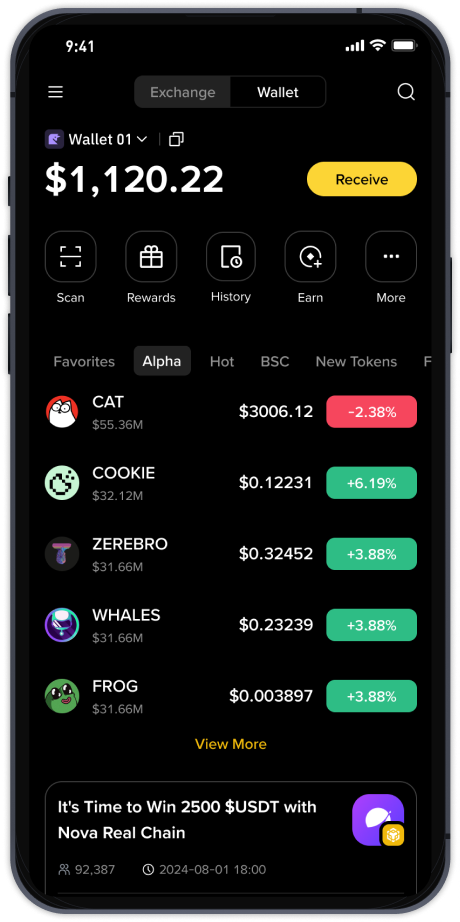
To begin using Binance on-chain, you cannot rely solely on your Binance account. You need a **non-custodial wallet**. The most popular options for BSC are Trust Wallet (acquired by Binance) or MetaMask (configured with BSC network settings). Download the wallet app, secure your seed phrase (never share this with anyone), and write it down offline. This seed phrase gives you full control over your funds.
**Step 2: Funding Your Wallet from Binance Exchange**
Once your wallet is ready, you need to move funds from your Binance exchange account to your wallet address. Log in to Binance, go to “Wallet” or “Fiat and Spot,” and select **Withdraw**. Choose the cryptocurrency you want to send (e.g., BNB, USDT, or CAKE). It is critical to select the **BEP-20** network when sending to a BSC wallet. If you choose the wrong network (e.g., ERC-20), your funds may be lost. Enter your wallet address and the withdrawal amount. After confirming via email or 2FA, the transaction will be broadcast on-chain.
**Step 3: Using Decentralized Applications (dApps)**
Binance Chain is not just for sending coins; it hosts hundreds of dApps. With your wallet connected to a browser extension (e.g., MetaMask), you can visit a dApp like **PancakeSwap** (the leading decentralized exchange on BSC). Connect your wallet to PancakeSwap to swap BNB for tokens like CAKE or to provide liquidity. This process is entirely on-chain—you are transacting directly from your wallet to the smart contract, bypassing Binance as an intermediary.
**Step 4: Staking and Earning On-Chain**
Staking is a major use case. While Binance offers centralized staking products, you can also stake directly on-chain. For example, you can deposit BNB or CAKE into a staking pool through a dApp like **PancakeSwap Syrup Pools** or **Binance Staking** via the Binance Chain Web Wallet. These on-chain staking mechanisms reward you with tokens but require active management and gas fees (paid in BNB).
**Step 5: Monitoring Your Transactions**
Unlike the centralized exchange interface, on-chain activity is public. You can use **BscScan.com** to view your transaction history, check token balances, and confirm whether a swap was successful. Simply paste your wallet address into the search bar. This transparency is one of the key advantages of using Binance on the blockchain.
**Key Risks to Remember**
Using Binance on-chain offers full control but comes with risks. You are solely responsible for private keys, smart contract risks, and network congestion. Always double-check the network when withdrawing from Binance, never click on random airdrop links, and keep your BNB balance ready for gas fees. For beginners, start with a small test transaction before moving large amounts.
In summary, using Binance on the blockchain is about moving from the centralized exchange to a self-custody wallet and interacting with dApps on Binance Smart Chain. This approach gives you greater ownership and access to yield farming, trading, and liquidity pools—all while paying low transaction fees. Just remember to secure your private keys and verify every transaction before signing.